A Classic Mammoth Lakes Sunday: Hiking from Lake George to the Mammoth Crest & Red Cones
There’s something special about a typical Sunday morning in Mammoth Lakes. The air is crisp, the light hits the high peaks just right, and the Lakes Basin feels like it belongs to you for a few quiet hours. One of my favorite local hikes starts right at Lake George and climbs to the Mammoth Crest and the distinctive Red Cones. It’s the kind of outing that rewards you with big views, interesting geology, and a real sense of why so many of us choose to live (or own second homes) in this corner of the Eastern Sierra.
Here’s the full rundown of the hike I do regularly, including distance, elevation, what you’ll see, and a few local tips.
Trail Stats at a Glance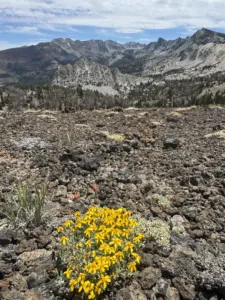
- Distance: Approximately 4.4 miles round trip
- Elevation Gain: About 1,400 feet
- Starting Elevation: Roughly 9,000–9,250 feet at Lake George
- High Point: Around 10,390–10,425 feet on the Crest near the Red Cones
- Difficulty: Moderate to strenuous (mainly due to altitude and steady climbing)
- Best Season: Late June through early October (snow can linger into early summer)
Parking & Starting the Hike
Park at the Lake George parking lot at the end of Lake George Road spur off Lake Mary Road. On busy summer weekends this lot fills early, so plan to arrive by mid-morning or earlier if you want a convenient spot. Overflow parking can push you farther down the road.
The trailhead sits on the west side of the parking lot. Look for the signed Mammoth Crest / Crystal Lake trail. The path is well-maintained and begins climbing almost immediately.
 The First Mile: Pines, Overlooks, and Expanding Views
The opening half-mile travels through a beautiful pine-lined trail. The forest feels classic Eastern Sierra with open understory, good shade in the morning, and a steady uphill, but manageable, grade. Before long the trees begin to thin and you reach a series of overlooks. These early viewpoints are excellent.
From here you look straight down onto the deep blue of Lake George. Crystal Crag rises dramatically above the lake, a striking granite monolith that tops out around 10,370 feet. Beyond it the Sherwin Mountains and the broader geological tapestry of the range come into view. The color variations on a clear day are genuinely breathtaking: the deep lake blues, the pale granite of Crystal Crag, the darker forest, and the distant ridgelines.
Around the one-mile mark the trail reaches a junction.
- Continue straight another quarter-mile or so and you’ll drop slightly to Crystal Lake, a beautiful high alpine lake sitting directly beneath Crystal Crag.
- Take the right-hand switchbacks and you begin the steeper climb toward the Mammoth Crest.
Climbing to the Crest
From the junction the trail works its way upward through a stretch where the views become more limited for roughly half a mile. You’re still climbing, the footing is often sandy or pumice-like, and the grade is noticeable. Then the landscape opens.
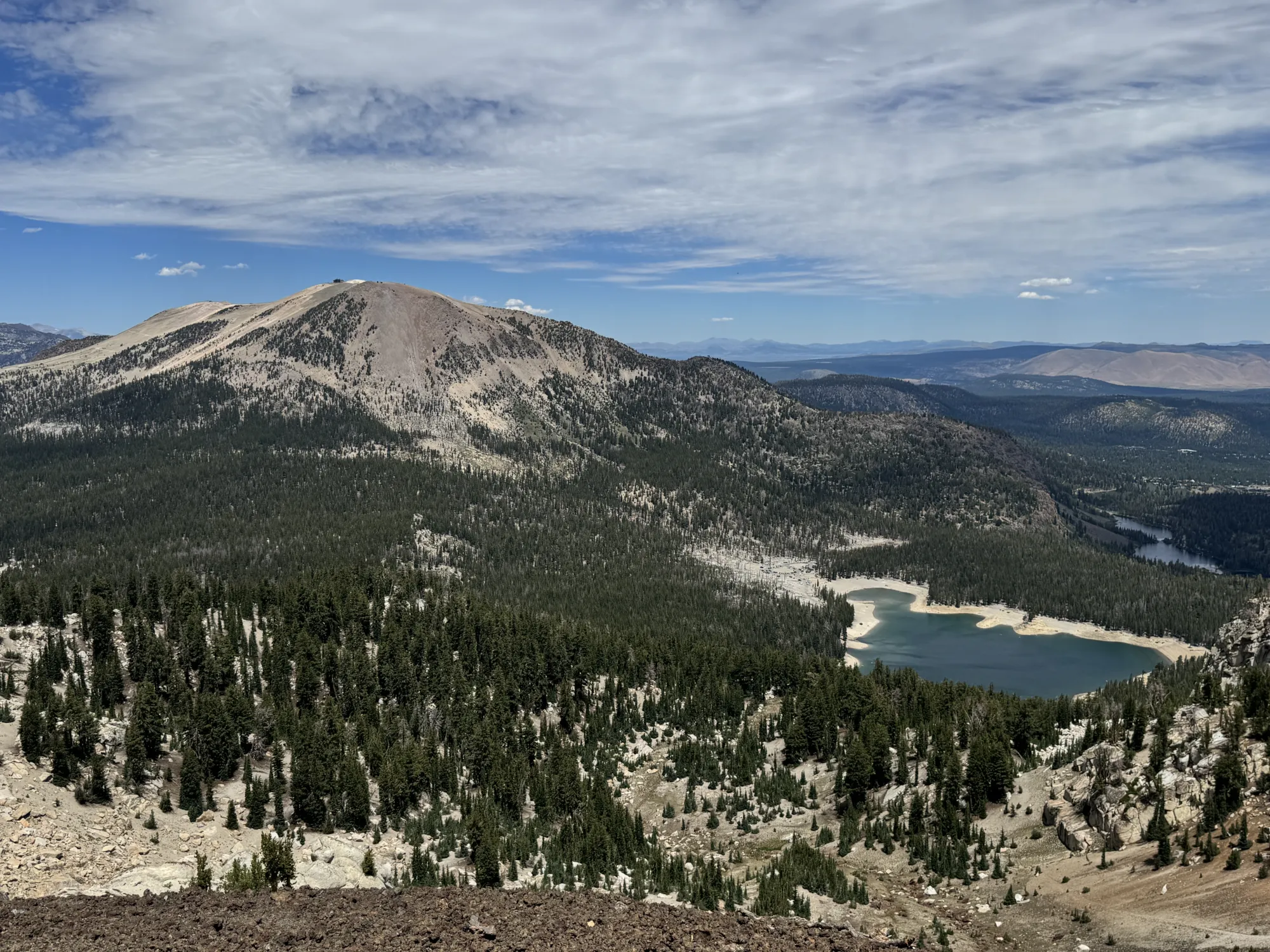
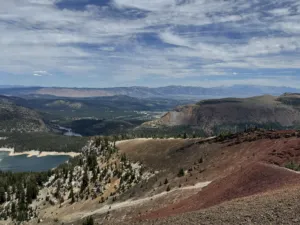
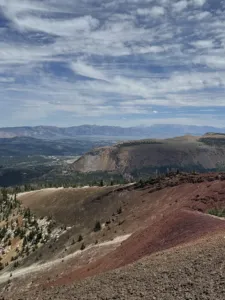
Suddenly the full Lakes Basin spreads out below you. On a clear day you can pick out Mammoth Mountain, Horseshoe Lake, Lake Mary, Twin Lakes, Crystal Lake, and the long arc of the Sierra Crest. The sense of space is tremendous. You are now on the high spine of the Mammoth Crest, looking both into the basin you just climbed out of and westward toward the deeper wilderness.
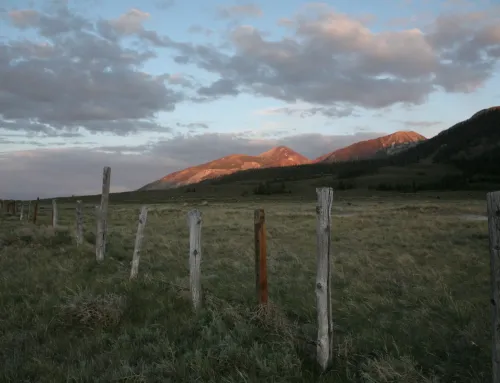
The reddish volcanic features that give this area its name become prominent. The Red Cones (sometimes referred to as Red Cone) are young cinder cones, roughly 2,000 years old, made of porous reddish-brown lava. They stand out sharply against the surrounding terrain and mark the beginning of the crest proper for many hikers.
Options from the Crest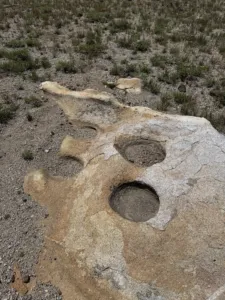
Most people turn around here for a clean 4.4-mile round trip with roughly 1,400 feet of elevation gain. That’s the classic Sunday version.
If you still have energy, you can continue south along the crest for more views or explore further into the wilderness. Longer routes eventually connect toward other trail systems in the John Muir Wilderness, including options that lead toward the Reds Meadows area. The crest itself is a high, open walk with constantly shifting perspectives of the Ritter Range, the Minarets, and the Middle Fork of the San Joaquin country on a clear day.
A Quick Note on History and the “Red” Mountains
The reddish mountains and volcanic features east of the crest played a direct role in the discovery of Mammoth Lakes. In 1877 prospectors found gold and silver deposits on the northern slopes of Red Mountain. The rush that followed led to the formation of the Mammoth Mining Company, named for the supposedly “mammoth” size of the deposit. The town and the lakes took their name from that mining era. Standing on the crest near the Red Cones, you’re looking at landscape that first drew people here for minerals and later for the scenery and lifestyle we value today.
Practical Tips for the Hike
- Altitude: You start high and go higher. Drink more water than you think you need and consider the effects of elevation, especially if you’ve just arrived from lower elevations.
- Timing: Morning starts are best for parking, cooler temperatures, and clearer light on the lakes.
- What to bring: Layers, sun protection, sturdy shoes (the upper trail can be sandy and rocky), and enough water. A light wind layer is useful on the crest.
- Dogs: Allowed on leash in this area.
- Leave No Trace: This is popular country. Pack out everything and stay on the trail.
 Why This Hike Sticks with Me
I’ve lived in Mammoth since I was a kid and worked as a real estate broker in Mammoth Lakes for more than 30 years. Hikes like this one from Lake George to the Mammoth Crest are a big part of why people fall in love with the area, and why many decide to make this their second home. On a quiet Sunday you can be on the crest looking down on a chain of alpine lakes with the entire Eastern Sierra stretched out around you, then be back in town for lunch. That kind of daily access to high country is rare.
On your way home, stop at the Pokonobe Lodge at Lake Mary and grab a cold Pokonobe Gold beer. They keep the beer just above freezing, making their draught beers the coldest in Mammoth. It’s the perfect post-hike reward.
If you’re visiting or considering making Mammoth Lakes part of your life, put this trail on your list. Arrive early, take your time on the overlooks, and save some energy for the final push to the Red Cones. The views from the crest on a clear summer morning are hard to beat.
See you on the trail.
Here is another hike you may also like: One of My Favorite Hikes in Mammoth Lakes: Coldwater Trailhead to Duck Lake – Mammoth Lakes CA Homes for Sale – Matthew Lehman Real Estate
Don’t forget to visit our blogs to get more information: 5 Epic Hiking Trails in Mammoth Lakes California (Local Favorites) – Mammoth Lakes CA Homes for Sale – Matthew Lehman Real Estate
Matthew Lehman
Official Tourism Website for Mammoth Lakes, California – Visit Mammoth