What No One Tells You About Moving to Mammoth Lakes
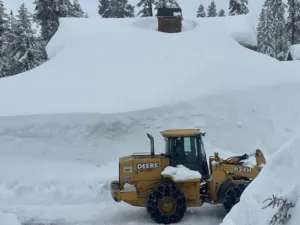 So You Want to Live at 8,000 Feet
There’s a moment that happens to almost every new Mammoth Lakes resident. It usually occurs sometime in the first week. You’re unboxing your kitchen, or maybe just walking to the Post Office, and suddenly you’re winded. Not “I-skipped-leg-day” winded. Genuinely, embarrassingly, “did I just climb Everest?” winded.
Welcome to 8,000 feet above sea level. Population: people who thought they were in better shape than this.
Mammoth Lakes is one of the highest-elevation towns in California, and life up here comes with a learning curve that no real estate listing is going to mention. But after talking with locals and residents who’ve made the leap, a few universal truths keep bubbling up. Consider this your honest, slightly irreverent orientation guide.
Your Body Will Stage a Protest (Temporarily)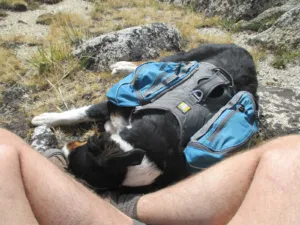
The altitude hits first, and it hits everyone, elite athletes included. Expect a week or two of headaches, strange fatigue, and the unsettling discovery that a single flight of stairs is now a workout. Science is simple: there’s less oxygen up here, and your body needs time to produce more red blood cells to compensate.
The upside? Once you acclimatize, you feel genuinely superhuman when you visit sea level. A trip to Los Angeles will have you jogging past locals like you’ve got rocket fuel in your legs. It’s one of the quiet perks no one talks about.
Pro tip: hydrate aggressively those first few weeks. The air is dry, the elevation is real, and your sea-level habits won’t cut it. If you need extra help, check out Peak IV
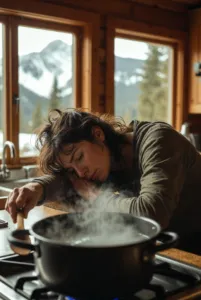
Everything Takes a Little Longer to Cook (And That’s Fine)
Water boils at a lower temperature at altitude, around 198°F instead of 212°F. That doesn’t sound like much, but your pasta, your eggs, and your slow-cooker recipes all need extra time. Baking is its own adventure; that banana bread recipe your grandmother swore by? It’s going to need some recalibration.
New residents tend to discover this the hard way at dinner parties. The potatoes were in for an hour. The potatoes are still not done. Everyone is hungry. The wine is gone.
Altitude cooking adjustments are a real thing. Embrace them early.
The Pace of Life Is Not What You’re Used To… And That’s the Point
Here’s where things get interesting. Mammoth doesn’t run on the same clock as the rest of California. People say good morning to strangers. Neighbors actually know each other’s names. The Old New York Deli is a place where you might accidentally spend two hours without noticing.
For people relocating from LA or San Diego, this is either profoundly healing or mildly disorienting, depending on the week. The “I’ll sleep when I’m dead” hustle culture simply doesn’t survive at altitude. The mountains have a way of recalibrating your priorities whether you asked them to or not.
Residents describe it as: less traffic, more stars. Fewer meetings that could have been emails, more afternoons that turn into spontaneous hikes.
Winter Is a Character, not a Season
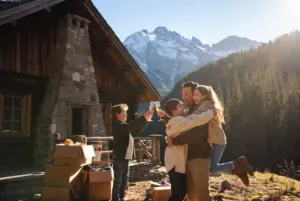
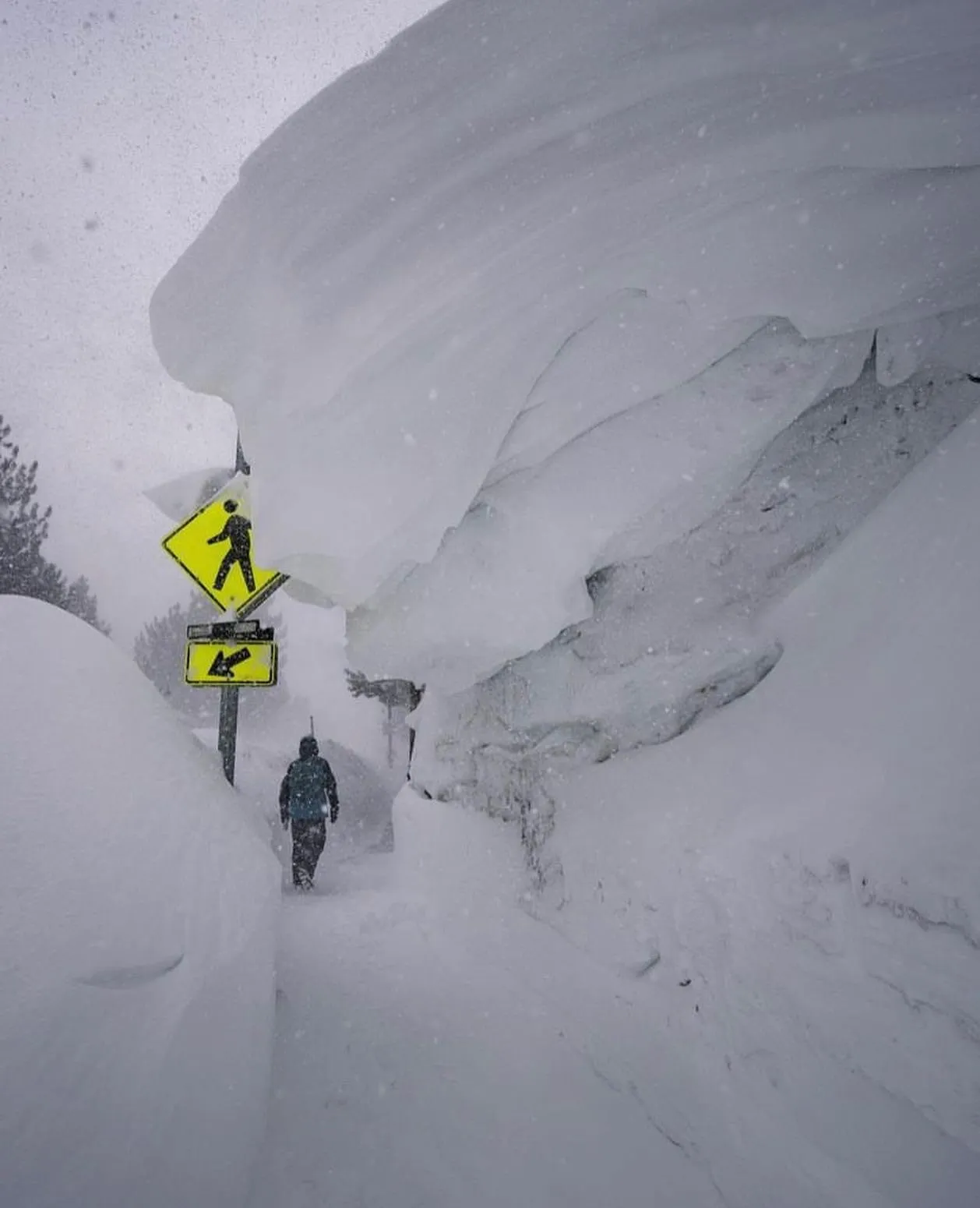
People who move to Mammoth having only visited in summer get a genuine surprise come November. Winter here isn’t a backdrop, it’s a full participant in your daily life. You will learn to keep an ice scraper for your windshield handy and to keep a shovel in your car (and to actually know how to use it), and to plan your grocery runs around incoming storms.
The flip side is that you live at the base of one of the best ski mountains in the country. That commute that everyone else dreads? Yours is to a gondola. You live where everyone else can only dream of spending one week a year.
Snow removal becomes a meditative practice. Or a grudging one. Depends on the day.
The Community Is Smaller and Tighter Than You Expect
Mammoth has a full-time population of around 8,000 people. That’s not a lot. You will run into your neighbors at the hardware store, at the trailhead, and at the one grocery store. Within a few months, you’ll have a local. Within a year, you’ll be the person who gives other newcomers unsolicited advice about altitude cooking.
There’s an informal culture of helping each other out, someone will plow your driveway (maybe) after a big storm, someone will tell you about the trail that isn’t on any app. That kind of community doesn’t exist everywhere, and people who move here often say it’s what makes them stay.
 So, Is It Worth It?
Fire Season in Mammoth Lakes – Mammoth Lakes CA Homes for Sale – Matthew Lehman Real Estate
Ask anyone who’s made the move — the answer is almost universally yes, with an asterisk the size of a snowflake. It takes adjustment. The altitude is real, the winters are serious, and the nearest Trader Joe’s is a commitment.
But there’s something that happens when you live somewhere that looks like a screensaver, where your backyard is a national forest, and where the air is so clean it almost feels impolite. The small frustrations start to feel pretty small.
Turns out, 8,000 feet is a good altitude for perspective.